Welcome to the world of peptides and self healing.
A peptide is a short chain of amino acids—the same building blocks that make up proteins. While proteins can be hundreds or thousands of amino acids long, peptides are typically much smaller, usually ranging from just 2 to around 50 amino acids.
In the body, peptides act as messengers, helping cells communicate and regulating many key functions such as hormone signaling, immune response, metabolism, healing, and growth. Because they mimic natural biological signals, therapeutic peptides are often used to influence specific processes with high precision.
-
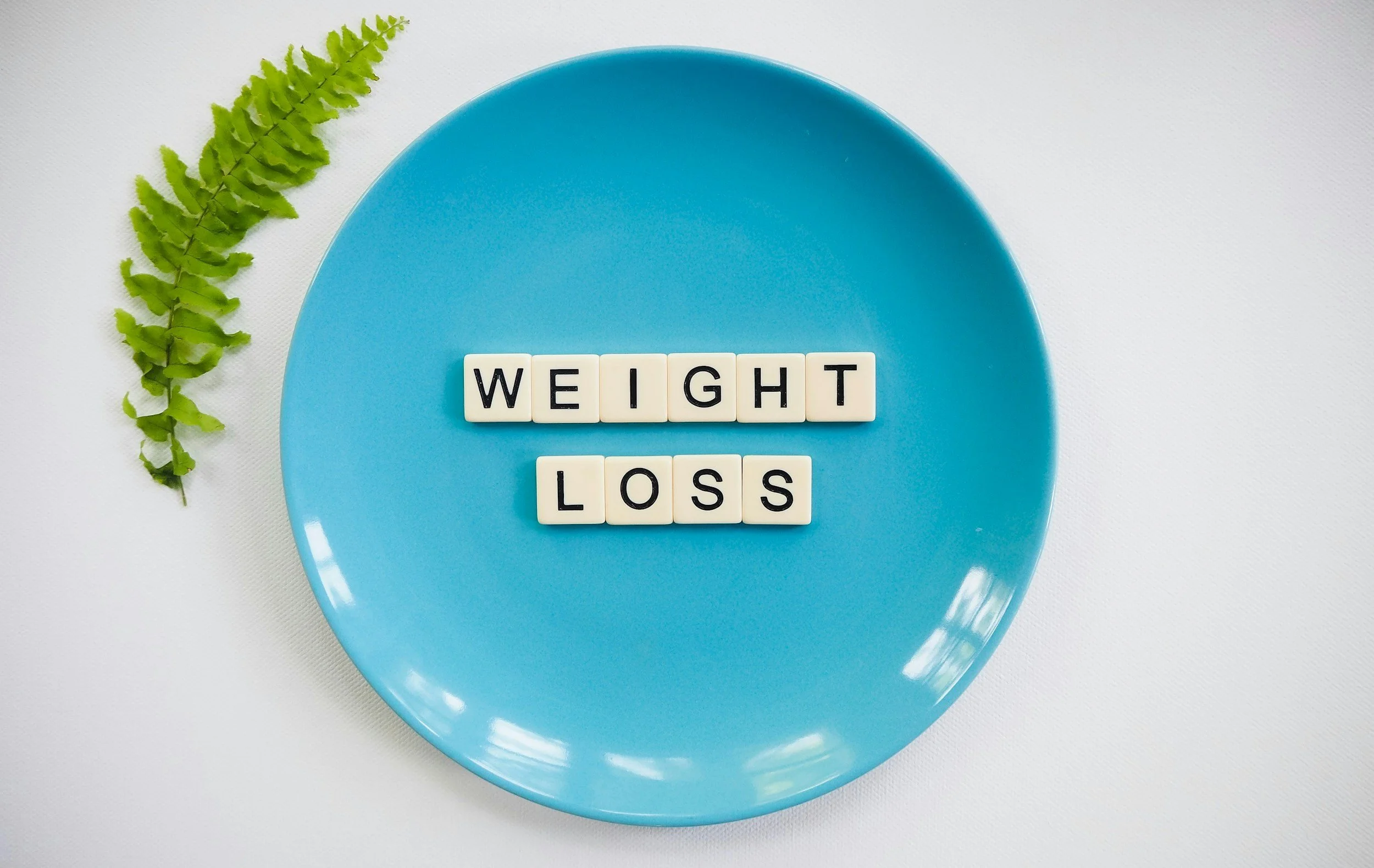
Weight Loss
By working with the body’s natural hormone signals, these therapies can reduce cravings, stabilize blood sugar, and make calorie control easier.
-
Nootropics
By influencing neurotransmitters, reducing stress response signals, and promoting healthier neural communication, these peptides may enhance focus, memory, mood stability, and overall mental sharpness.
-

HGH / Muscle Growth
Muscle-growth peptides support the body’s natural anabolic pathways to enhance strength, recovery, and lean muscle gain. By boosting repair signals and limiting muscle breakdown, they can help accelerate progress when paired with consistent training, proper nutrition, and quality rest.
-

Anti-Aging / Healing
Anti-aging and healing peptides help support cellular repair, collagen production, and overall tissue recovery. By enhancing the body’s natural regeneration pathways, they may promote healthier skin, improved joint function, and faster healing from daily wear or injury.
Search by Goal
Use the filters below to explore which peptides are most studied or used for specific goals. This is a research overview only – it does not tell you what is safe, appropriate, or indicated for you personally.
Filter by Goal & Regulatory Preference
Adjust filters to see where each peptide tends to be most researched / used.Peptide Research Overview
Select a peptide to see a research-focused summary of its mechanism, investigated uses, potential risks, and key reference links. Educational only – not medical advice.